

Renovation Boom Shifts How Contractors Plan Material Disposal Across Southeast Michigan
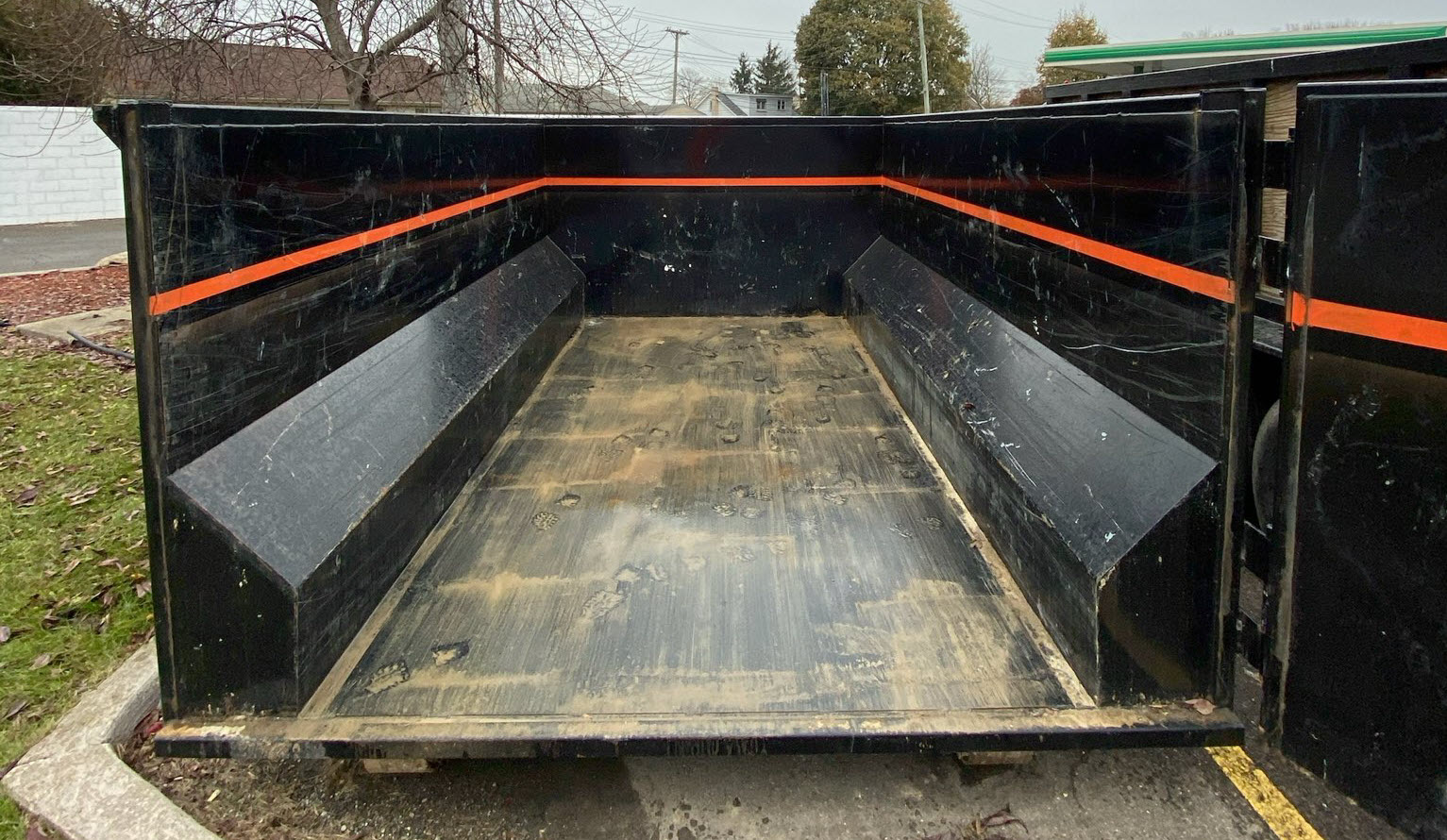
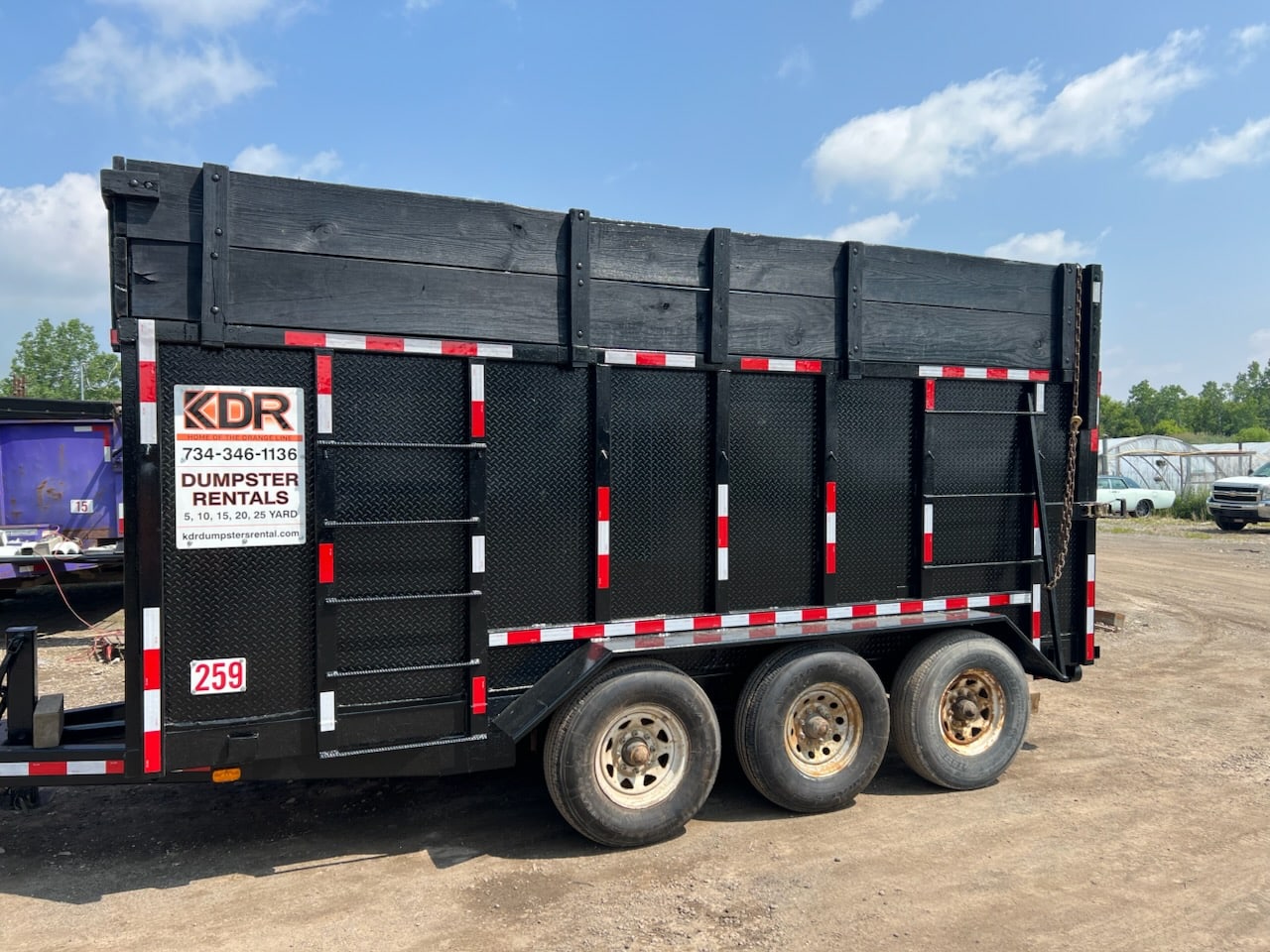
Roll-off dumpster deployed for large-scale construction debris containment.
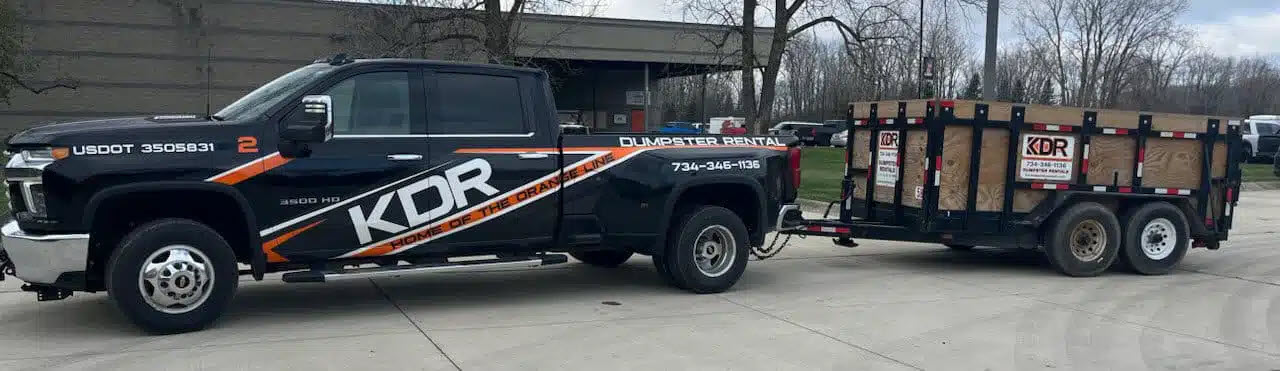
Dumpster container positioned at an active residential renovation site.
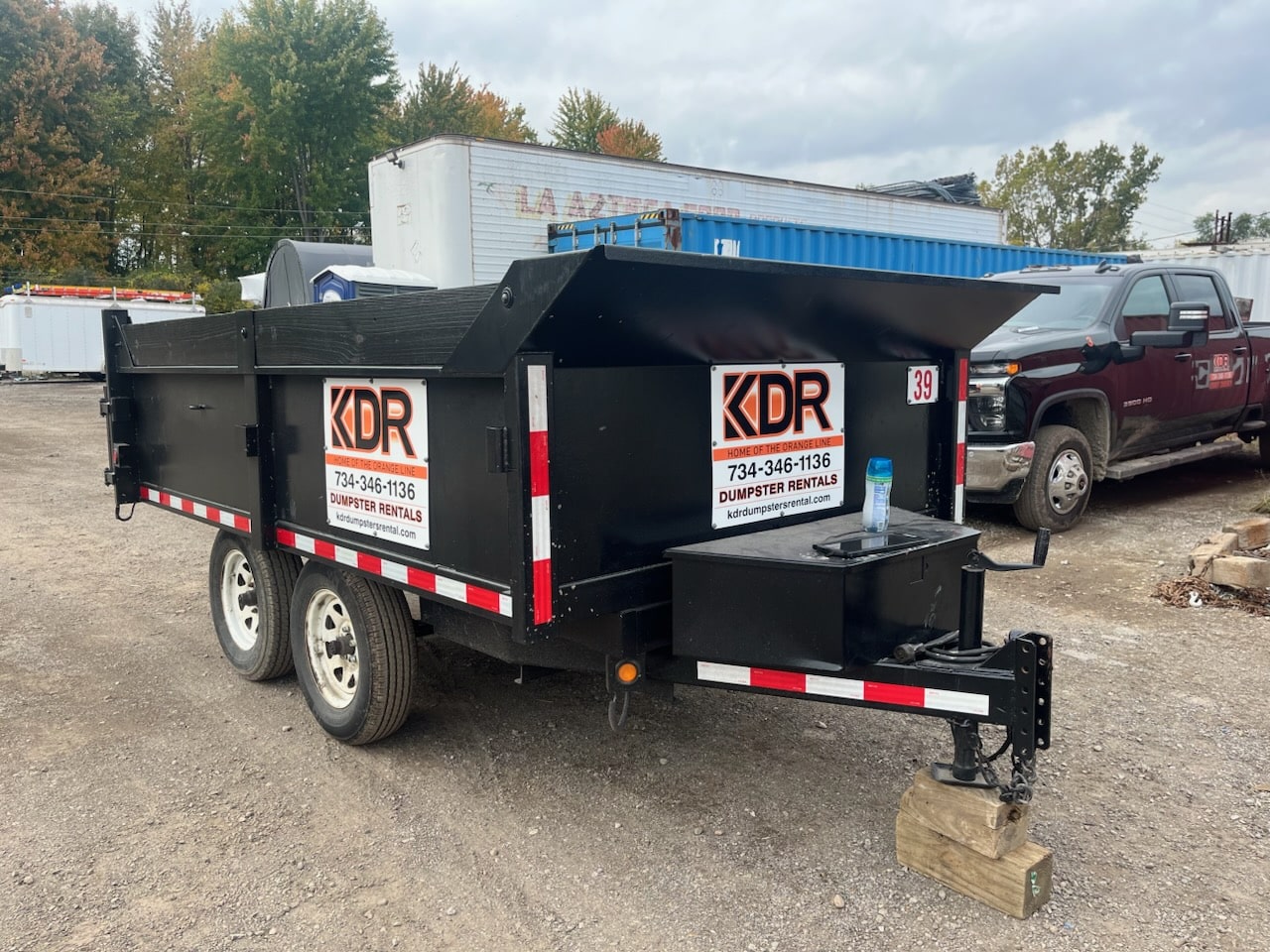
Mixed construction debris contained during structural renovation work.
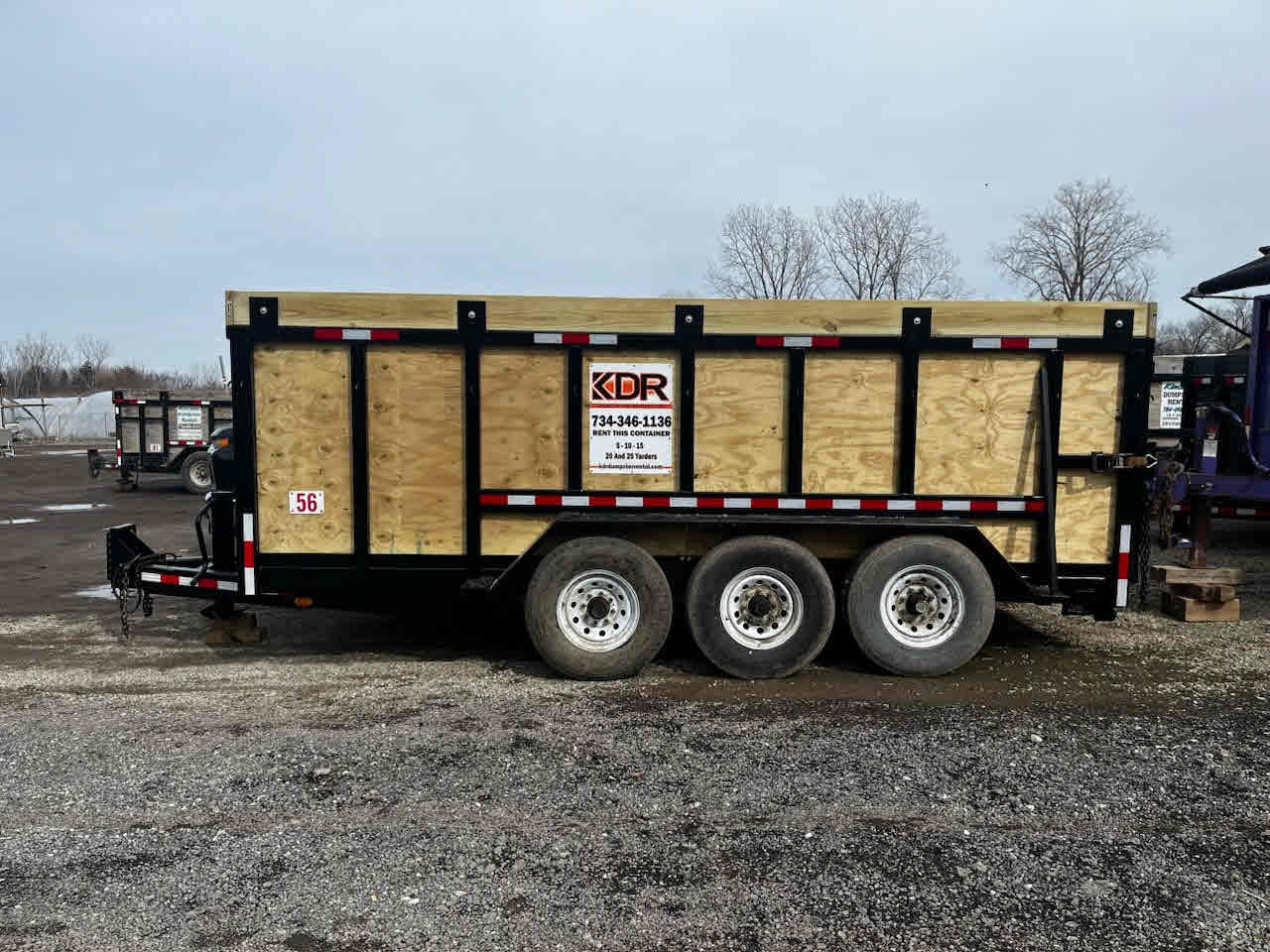
Job-site waste containment supporting contractor workflow efficiency.
Completed renovation site following debris removal and cleanup.
Contractors are adapting disposal strategies as renovation timelines compress and debris volumes fluctuate across residential and commercial projects.
Compressed project schedules, aging housing stock, and rising upgrade activity are transforming how debris is managed across job sites.
Across Southeast Michigan, renovation activity continues to expand as homeowners and commercial property owners invest in structural upgrades rather than new construction. Interior remodels, roof replacements, exterior improvements, and property conversions are generating sustained demand for contractor services across the region.
This increase in renovation work is producing measurable changes in how contractors approach debris containment and disposal planning. Unlike new construction projects, which typically follow predictable waste generation timelines, renovation projects often produce irregular debris volumes tied to structural discoveries and scope adjustments.
Renovation Projects Produce Dense, Short-Term Debris Loads
Contractors frequently encounter fluctuating waste output as renovation work progresses. Removing aging drywall, roofing materials, cabinetry, flooring, and structural framing can generate dense debris volumes within short windows.
These compressed waste cycles are reshaping demand for construction dumpster rental solutions that can be deployed quickly and scaled to match project intensity. Containers must often be delivered and removed within narrow timeframes to prevent workflow disruption.
Short-term containment has become a central component of renovation logistics rather than a secondary consideration.
Aging Housing Stock Drives Disposal Complexity
Much of Southeast Michigan’s residential housing inventory predates modern building standards. Renovation work on these properties often reveals layered materials, legacy installations, and outdated structural components that increase disposal volume.
Multiple roofing layers, plaster walls, obsolete insulation, and mixed-material framing can all contribute to unpredictable debris output. Contractors must plan containment capacity in advance to avoid site congestion or work stoppages.
The rise in aging property upgrades has contributed to increased reliance on roll off dumpster rental equipment designed to accommodate heavy, mixed-material debris streams.
Project Timelines Are Becoming More Compressed
Renovation timelines have tightened in recent years due to labor availability, financing considerations, and homeowner scheduling constraints. Contractors often coordinate multiple trades within condensed work windows to complete projects efficiently.
These compressed timelines require disposal infrastructure that aligns with project pacing. Delayed container swaps or insufficient containment capacity can disrupt material staging, increase safety risks, and delay inspections.
As a result, disposal planning has become integrated into pre-construction project coordination rather than reactive post-demolition decision-making.
Contractor Workflow Depends on Reliable Containment
Effective debris management directly influences contractor productivity. Job sites cluttered with unmanaged waste can slow crew movement, restrict equipment access, and increase liability exposure.
Professionals increasingly view dumpster rental for construction as a core operational component supporting safe and efficient job-site workflow. Proper containment reduces trip hazards, improves staging efficiency, and helps maintain compliance with municipal waste regulations.
This operational framing has elevated disposal logistics from a convenience service to an essential project infrastructure element.
Municipal Infrastructure Feels Renovation Pressure
Municipal waste facilities across Southeast Michigan are also adapting to renovation-driven disposal trends. Transfer stations and landfill intake facilities report increased construction debris volume tied to residential upgrades and light commercial improvements.
Seasonal renovation peaks often coincide with landscaping, storm cleanup, and moving-related disposal cycles, creating capacity pressure within municipal waste systems.
Partnerships between private disposal providers and municipal infrastructure are becoming more critical as debris volume patterns evolve.
Environmental Considerations Influence Disposal Planning
Renovation debris frequently includes recyclable or regulated materials such as metals, treated wood, asphalt shingles, and concrete. Contractors must navigate separation requirements to comply with environmental disposal guidelines.
Proper containment and sorting processes support recycling initiatives while reducing landfill strain. Environmental awareness is increasingly influencing how contractors structure disposal strategies, particularly on large-scale renovation projects.
Disposal Logistics Continue to Evolve
As renovation demand remains strong, contractors are expected to further refine disposal planning methodologies. Flexible containment scheduling, scalable container sizing, and integrated debris management workflows will remain central to efficient project execution.
For property owners, understanding disposal logistics provides insight into how renovation timelines are structured and why containment planning plays such a critical role in job-site operations.
As Southeast Michigan’s renovation economy continues to expand, disposal infrastructure will remain a foundational component supporting construction efficiency and environmental responsibility.
Scott Kincaide
KDR Dumpster Rental
+1 734-304-7075
email us here
Visit us on social media:
Facebook
YouTube
Other
How Renovation Projects Are Changing Construction Waste Planning
Legal Disclaimer:
EIN Presswire provides this news content "as is" without warranty of any kind. We do not accept any responsibility or liability for the accuracy, content, images, videos, licenses, completeness, legality, or reliability of the information contained in this article. If you have any complaints or copyright issues related to this article, kindly contact the author above.
